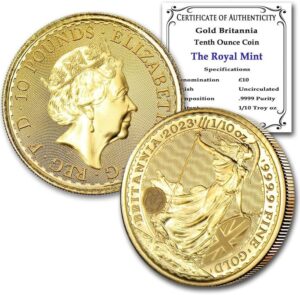
Have you ever held a investment coins and thought that you might have just felt the weight of safety in your hand? That has been going on for thousands of years. Gold is dubbed the “yellow metal” for a reason: it stands for safety nets, prosperity, and luck. But let’s get rid of the shine and speak about how to make money with gold.

Picture yourself putting money under a bed. Now, trade that stack of cash for gold bars. Same idea, but with a different metal that doesn’t break when the markets go up and down. The stock market crashes. The value of currencies goes up and down. But what about gold? It looks like it laughs at turmoil. People hurry to buy those flashy ounces when the economy is bad. They’re looking for protection because gold is known for staying constant while other assets lose money.
But not everything is great. Gold doesn’t pay you rent, dividends, or interest. Getting gold is like getting a pet rock with a pedigree. You want it to go up in value because that’s how you make money. Forget it if you want to get rich soon. The price might go up and down quickly, like a roller coaster. One week prices go up, and the next week headlines scream and prices go down. Here, nerves of steel are helpful.
You also have options. Gold in bars, coins, jewelry, and even those old coins your grandma hid. It’s easy to grasp, but it can be hard to store. Insurance is important. You might also choose a paper form, like gold exchange-traded funds (ETFs), mining firm equities, or mutual funds. You can’t touch or bite real metal, but this one is smoother and works like any other investment in your portfolio.
“Should I buy when the price goes down?” Some people say yes, purchase gold when others are sad and selling. Some people say that being in the market is better than timing the market. You could flip a coin, but it’s better to learn some classic financial advice: spread your money around. Don’t put all your money on gold, even if you really want to wear a crown.
Let’s get back to the basics: how much gold do you need? Experts say that 5% to 10% of your whole investments should be in this. It’s not the main thing; it’s a hedge. Like hot sauce, you should just use enough to offer taste and excitement. If you use too much, you’ll lose your equilibrium.
People tell stories about finding gold in their backyards. Sadly, most of us don’t take routes that are more like pirates. Buy from sellers you trust. Be careful of bogus coins; they do exist. Keep an eye on your fees because they can cut into your income.
What makes gold so appealing? Its acceptance around the world. If you need to, try trading real estate in an other country. Good luck! Instead, bring gold, and all of a sudden people pay attention. Jewelry stores in Asia, wedding gifts in the Middle East, and Swiss vaults that hum quietly—everyone trusts it, whether they have a lot of money or not.
We keep asking “what’s next?” because we’re curious. Will digital currencies take the place of gold? Not quite yet, maybe. Gold is in that weird place between glitter and roughness for now. Be careful when you buy, be patient when you hold, and if you want a wild story, follow the price charts. They tell stories that are as crazy as any fairy tale.